StockMojo — Free Option Chain, Max Pain, OI & Options Trading Tools for India
Vega Analysis
ExplorePopular Tools
All Trading Tools
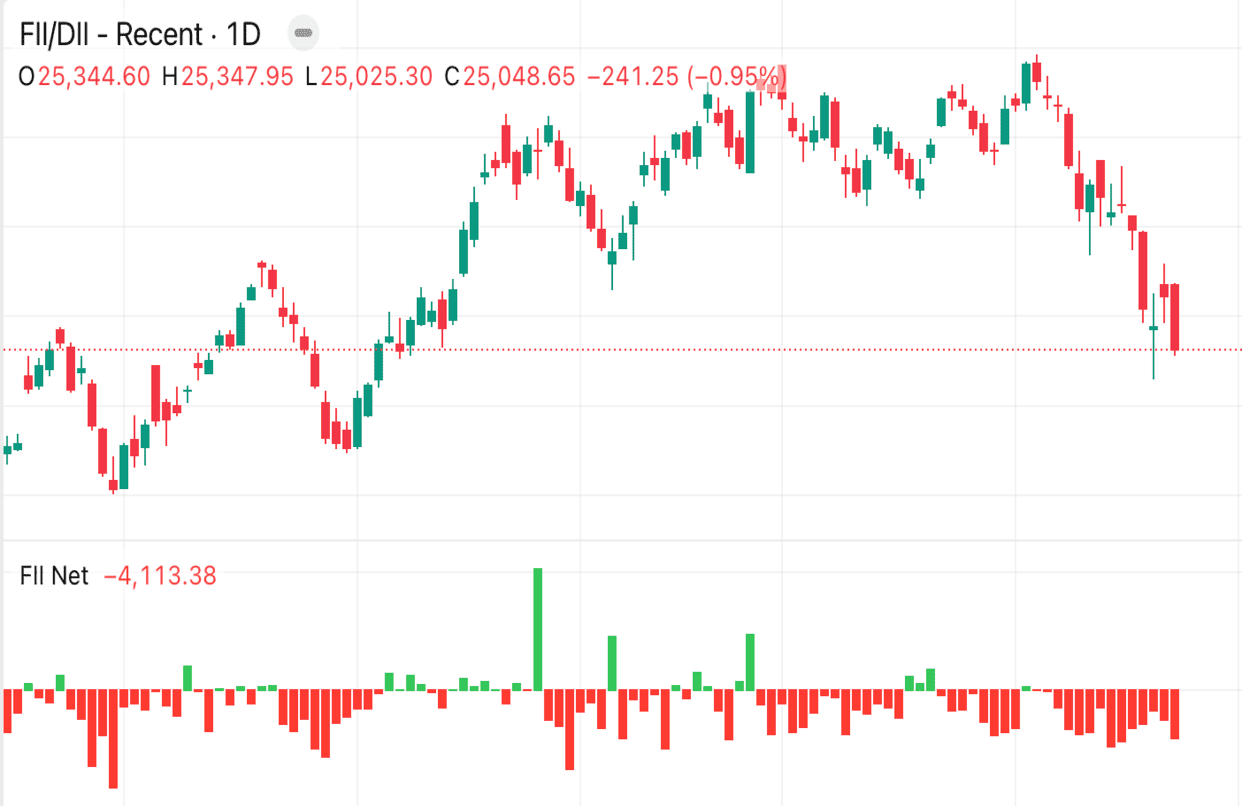
FII/DII Cash
Sector Rotation
NEW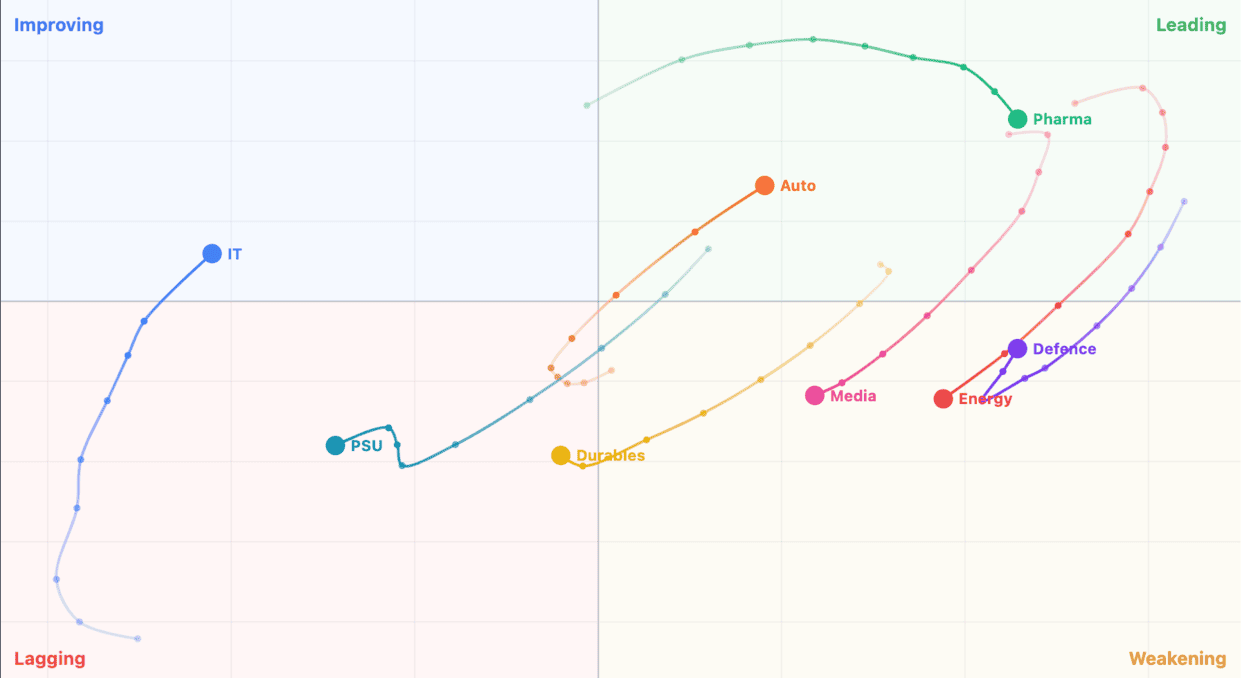
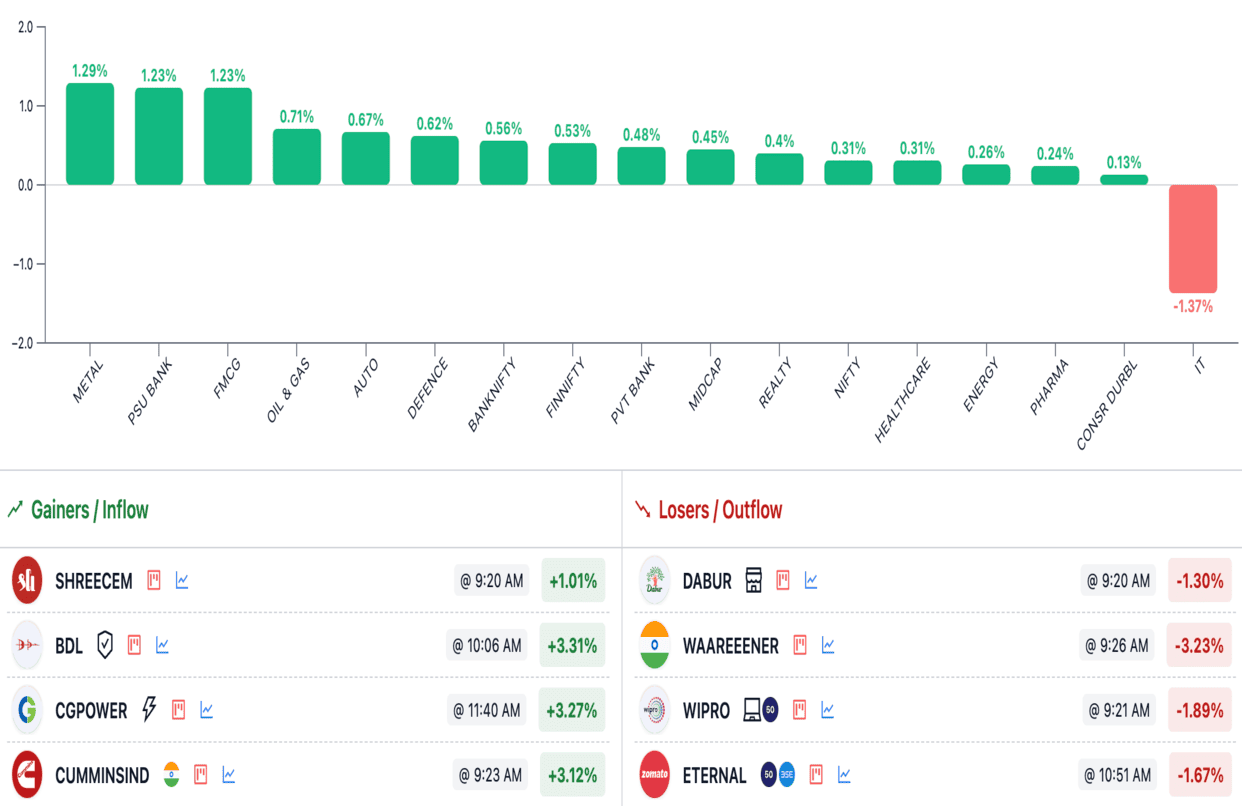
Intraday Booster
Index Contributors
NEW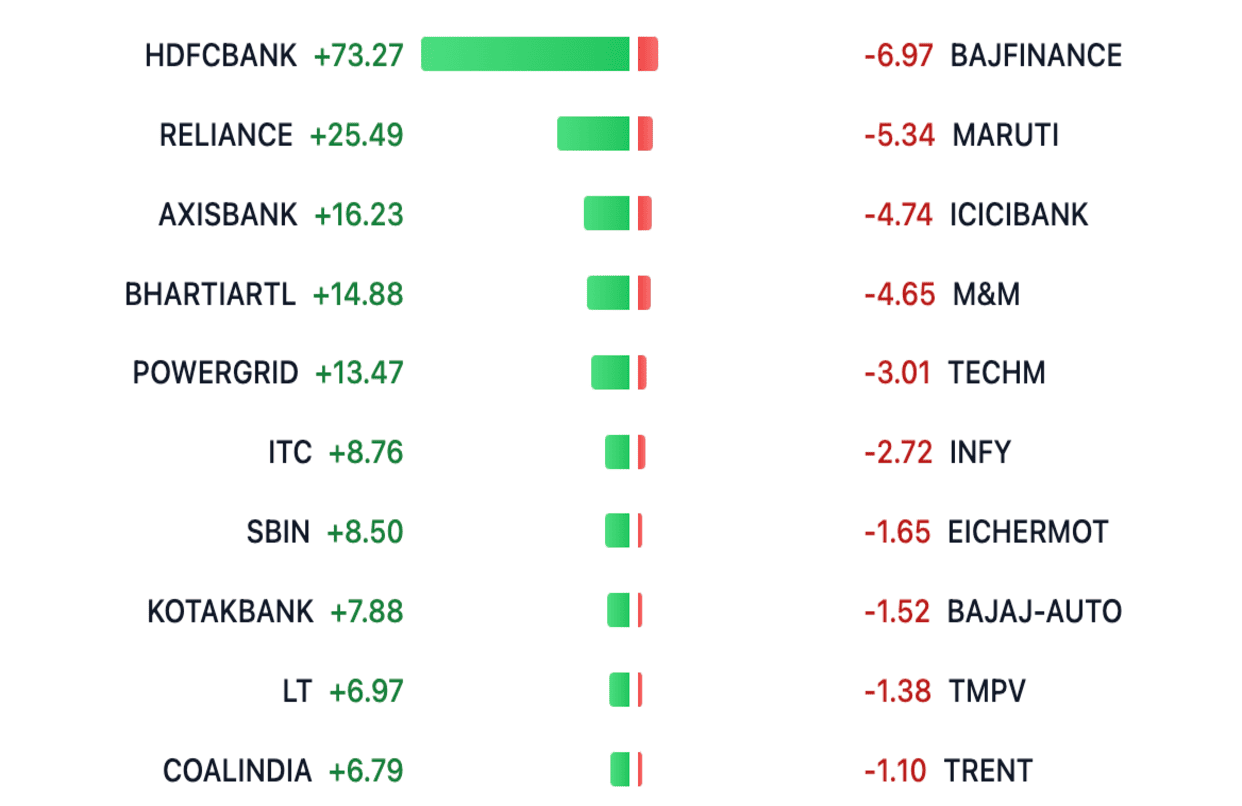
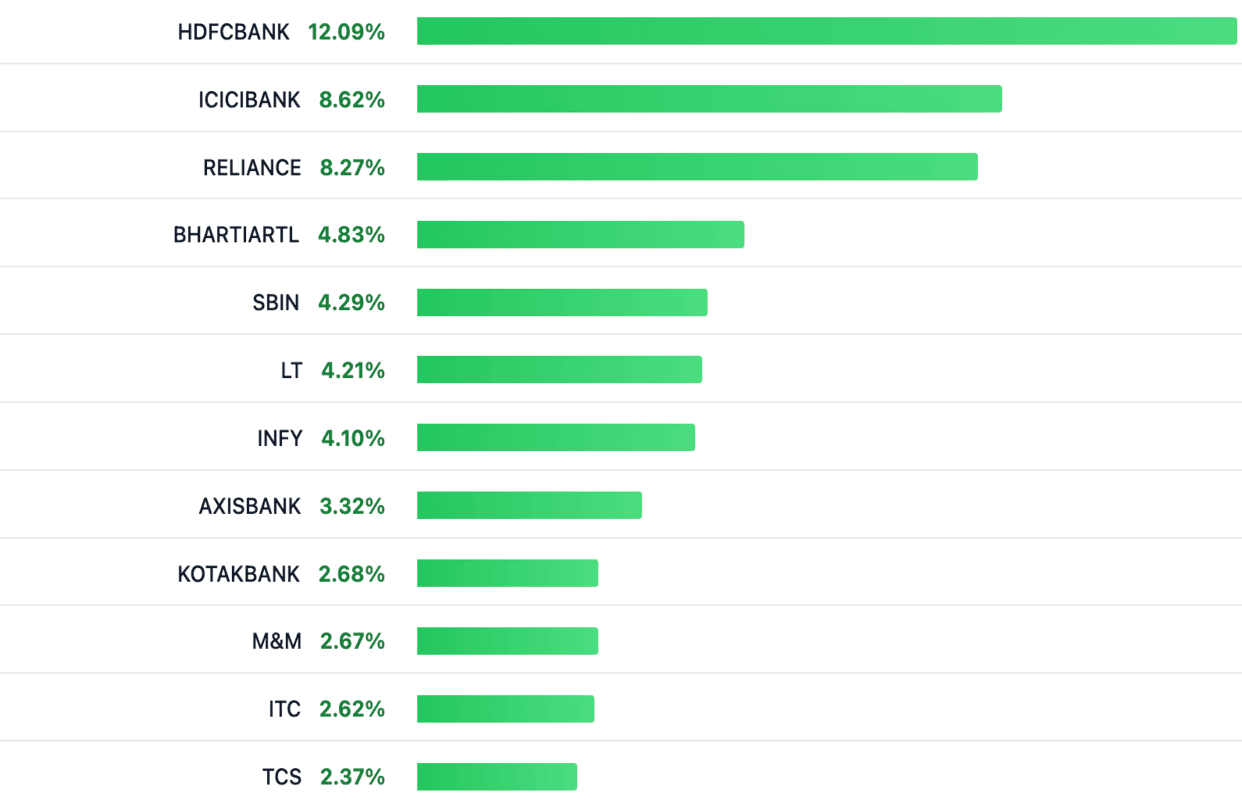
Index Weightage
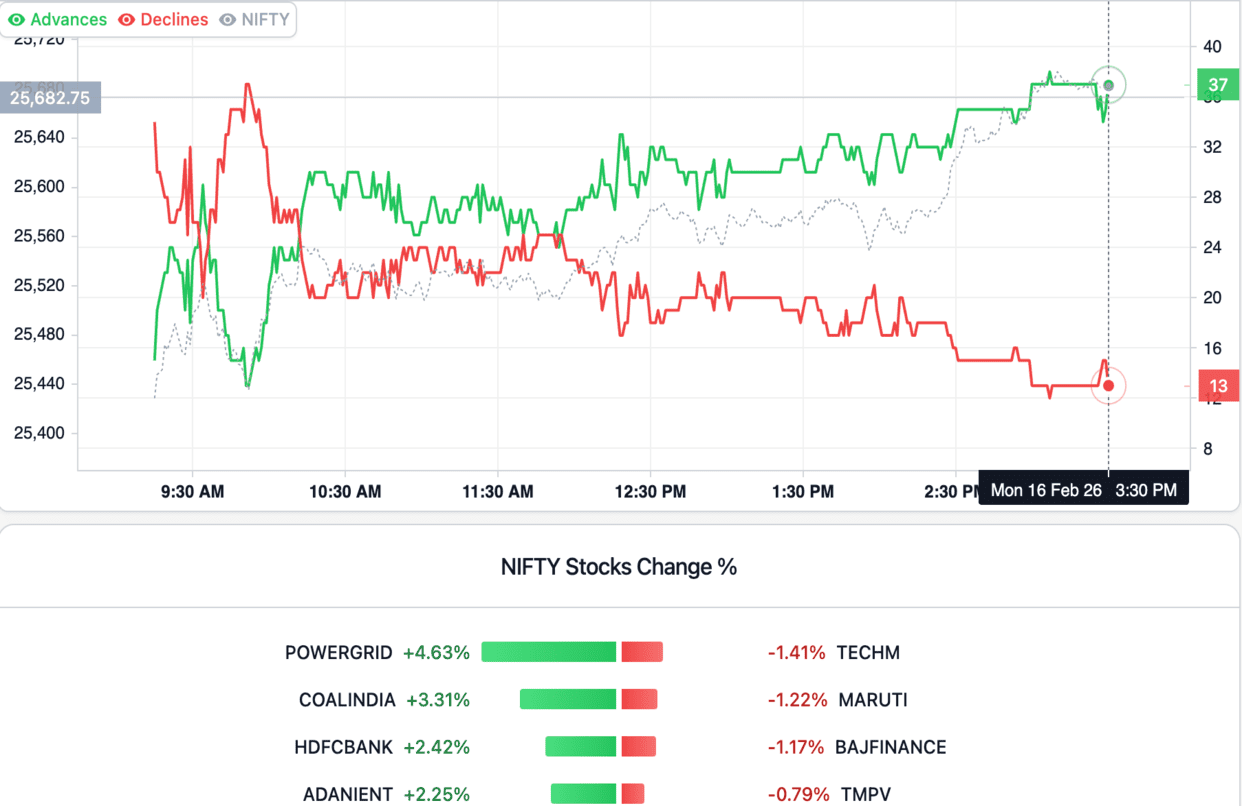
Advance Decline Ratio
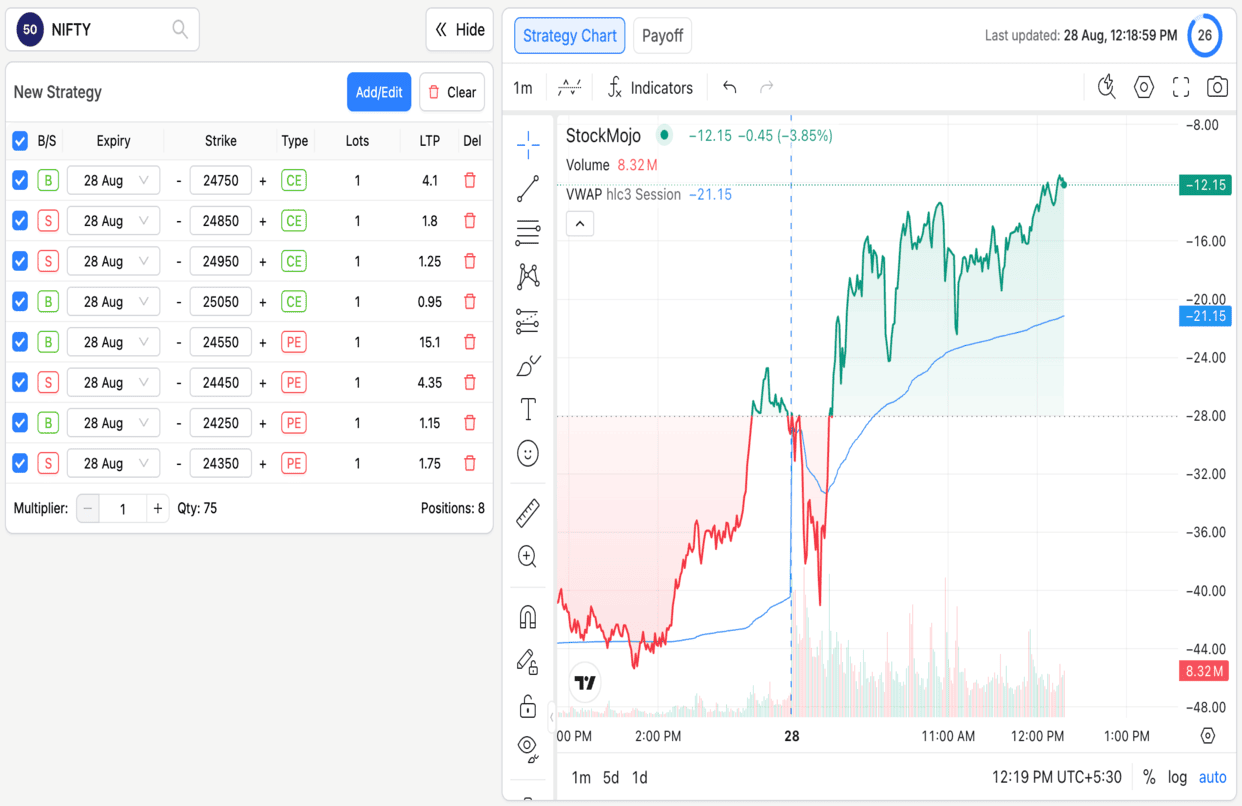
Strategy Chart
Smart OI
NEW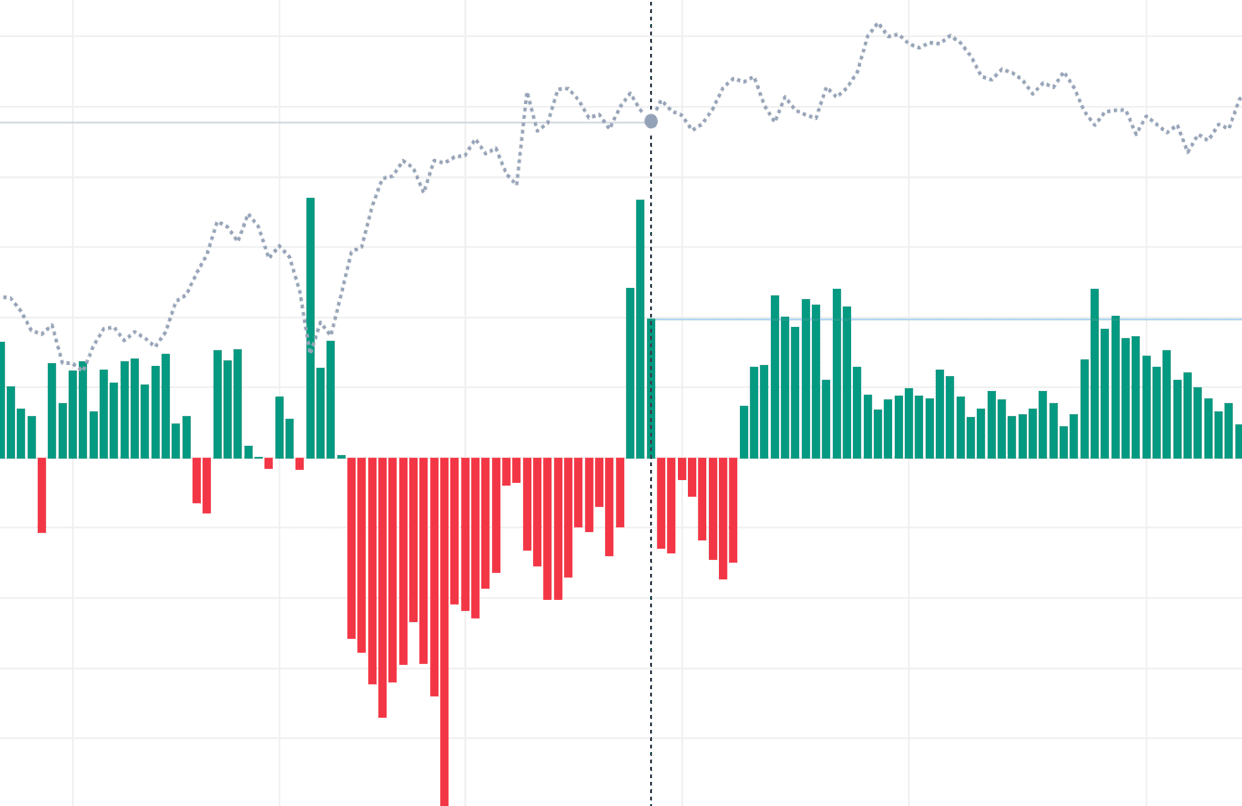
Future Sentiment Cycle
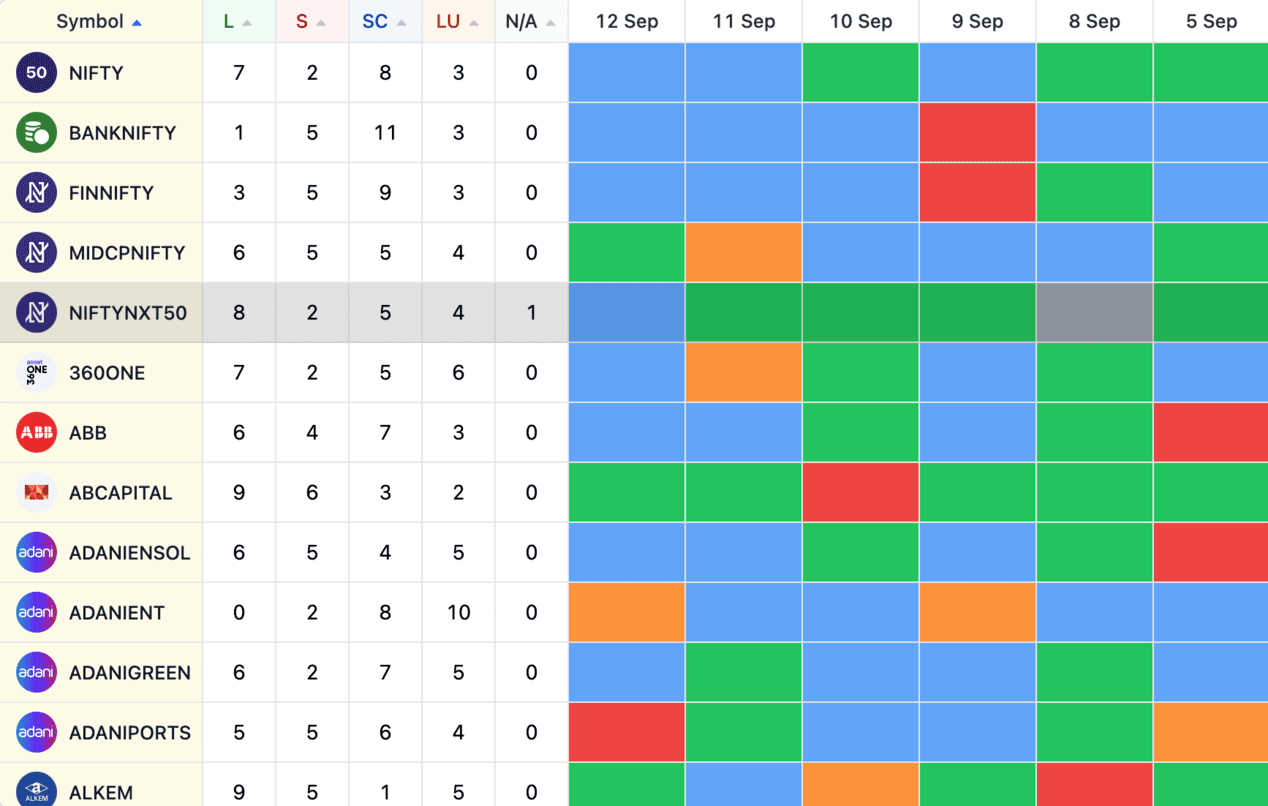
Timeseries
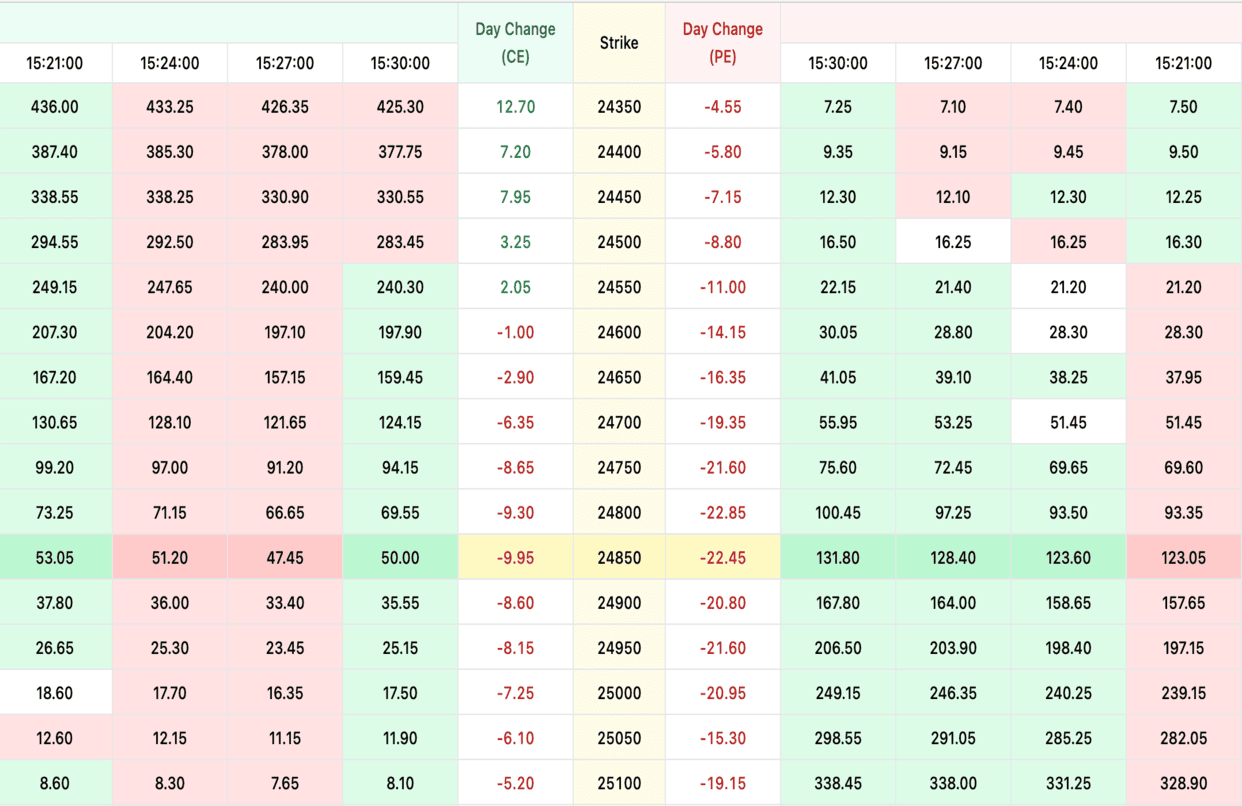
FII/DII Summary
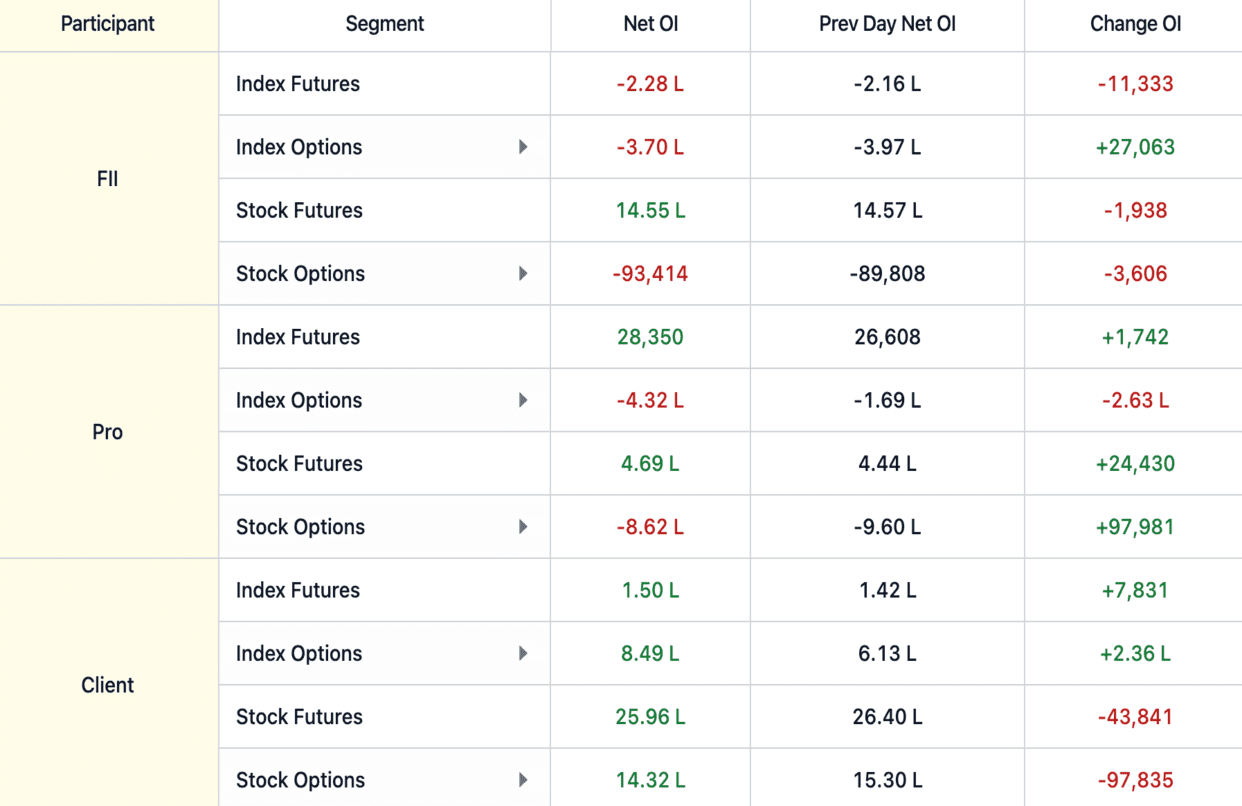
IV Grid
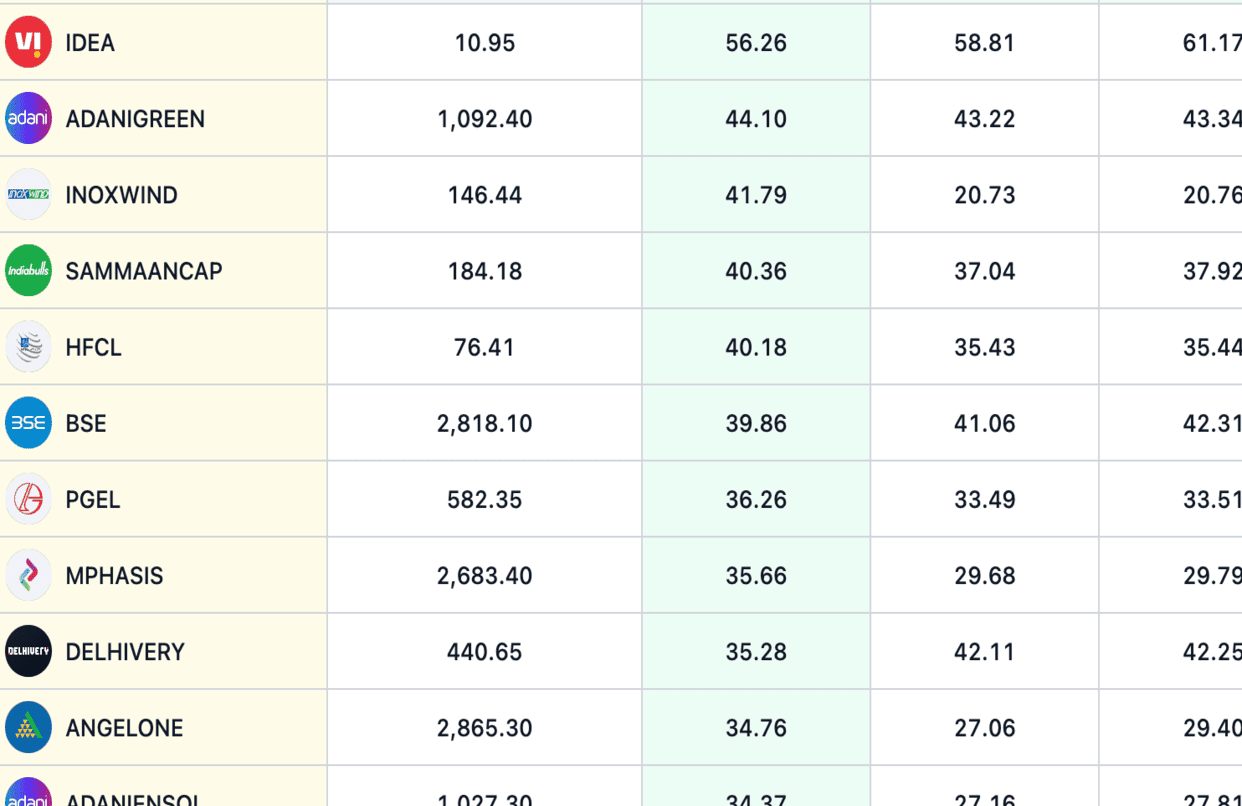
IV-HV
NEW
IV/HV/IVP Chart
MultiStrike OI
Option Chain Live
Volatility Skew
Premium Decay
Gamma Exposure
NEW
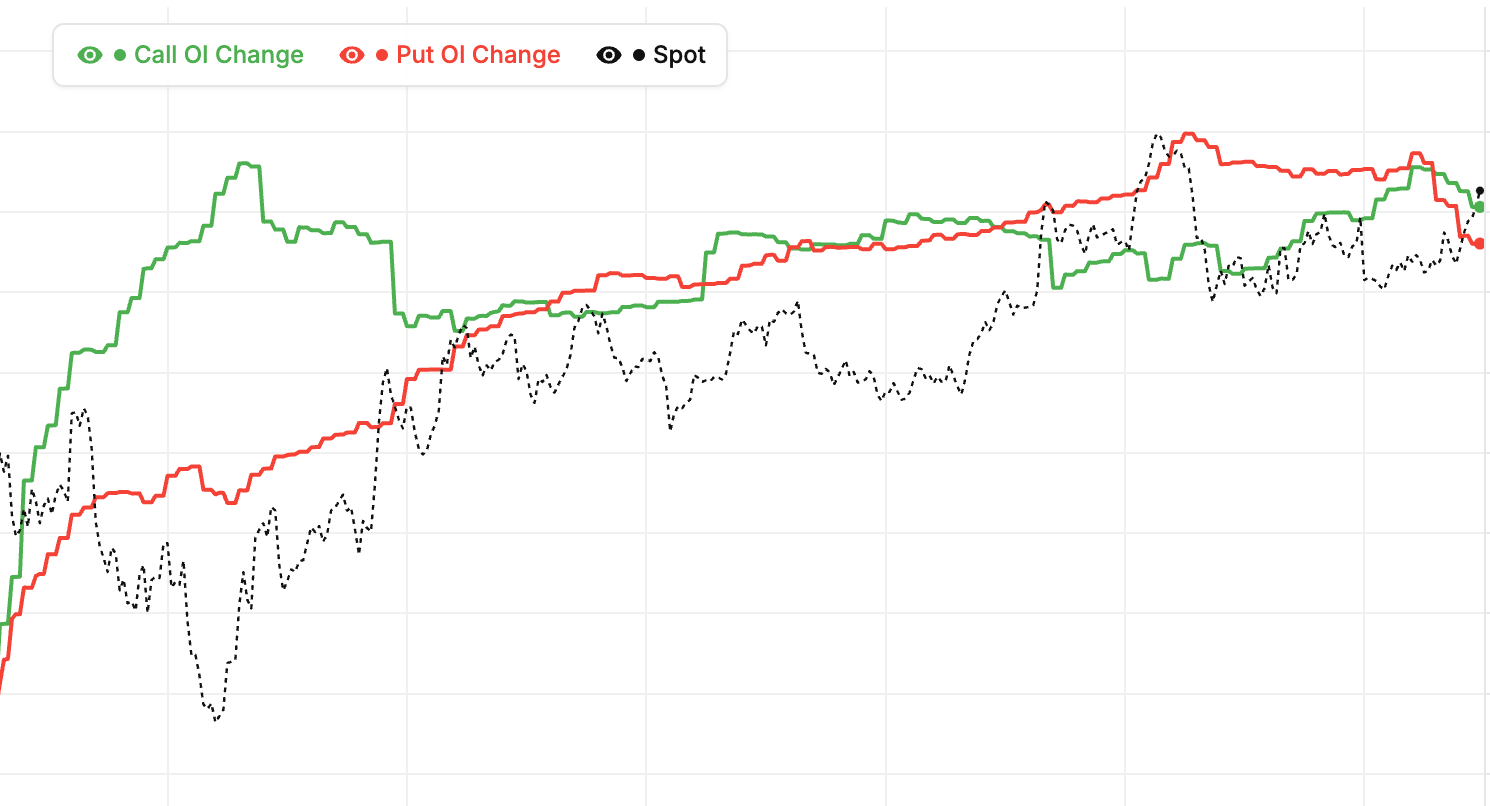
Price vs OI
Max Pain
PE-CE Difference
NEW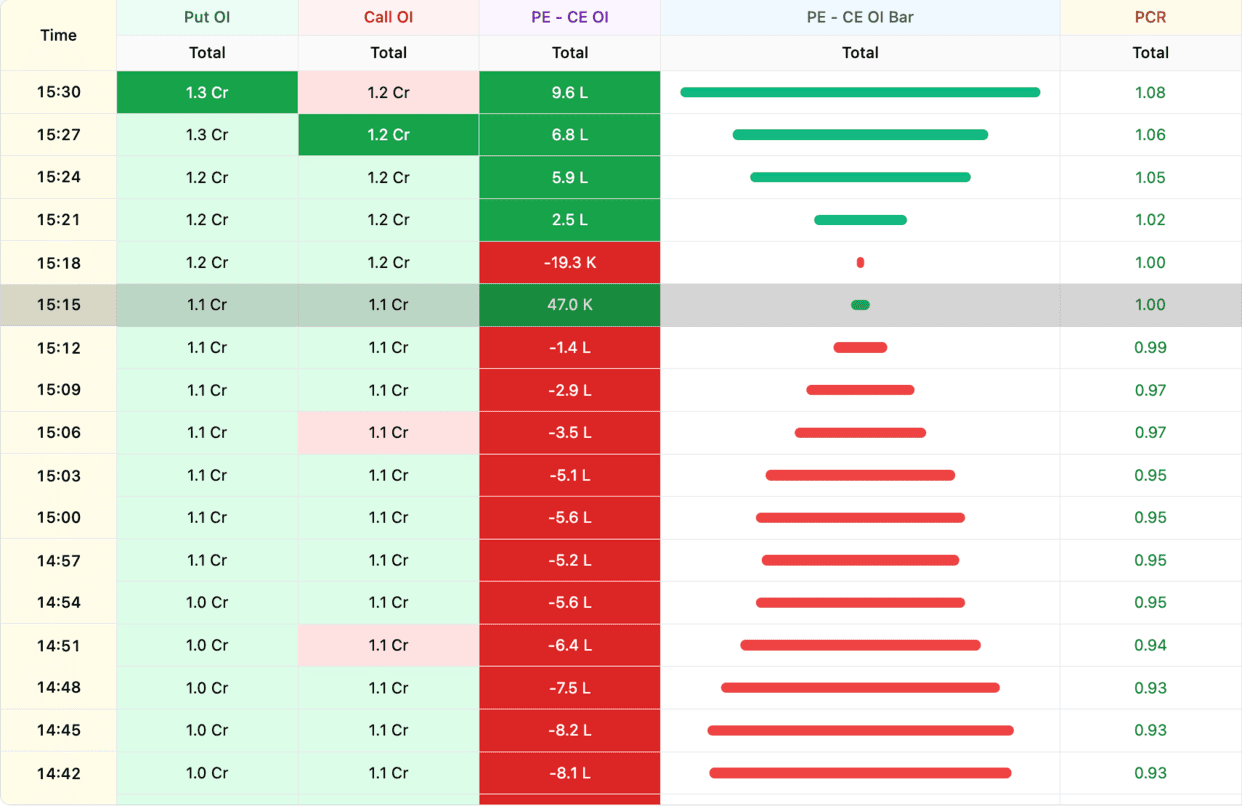
Simulator
Historical Chart
MultiStrike Chart
Multi-Straddle Chart
Vega Analysis
NEWOpen Interest
Straddle Chart
Future Heatmap
Future Intraday
Market Movers
Put-Call Ratio
Strategy Builder
About StockMojo
StockMojo is an options analytics platform built for Indian markets. We turn options data into the kind of charts and screeners that institutional desks build internally. The whole thing is browser-based, no installs, no logins for the core tools.
Coverage spans Nifty 50, BankNifty, FinNifty, MidcpNifty, Sensex, and 200+ F&O stocks. The tools are organised around the questions traders actually ask: where are option writers positioned, how much premium is decaying, where is institutional flow rotating, what does the volatility surface look like.
Core tools
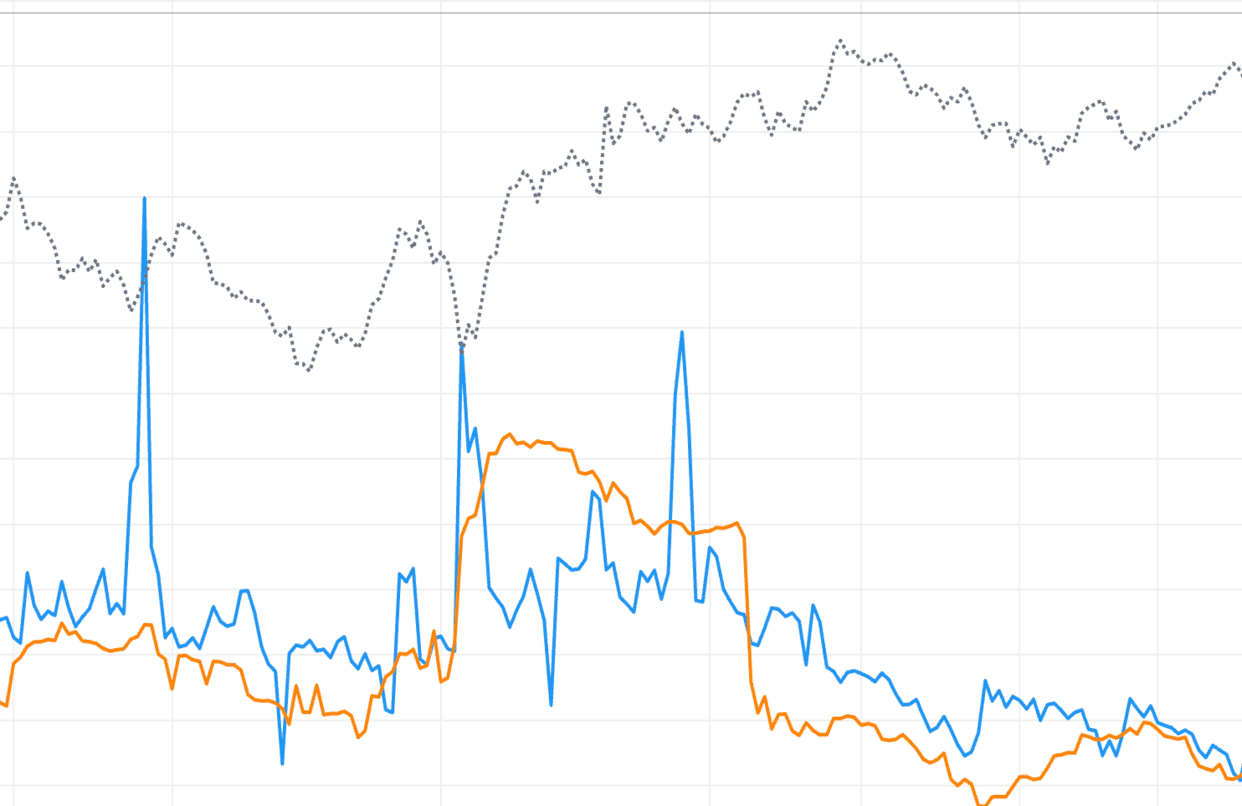
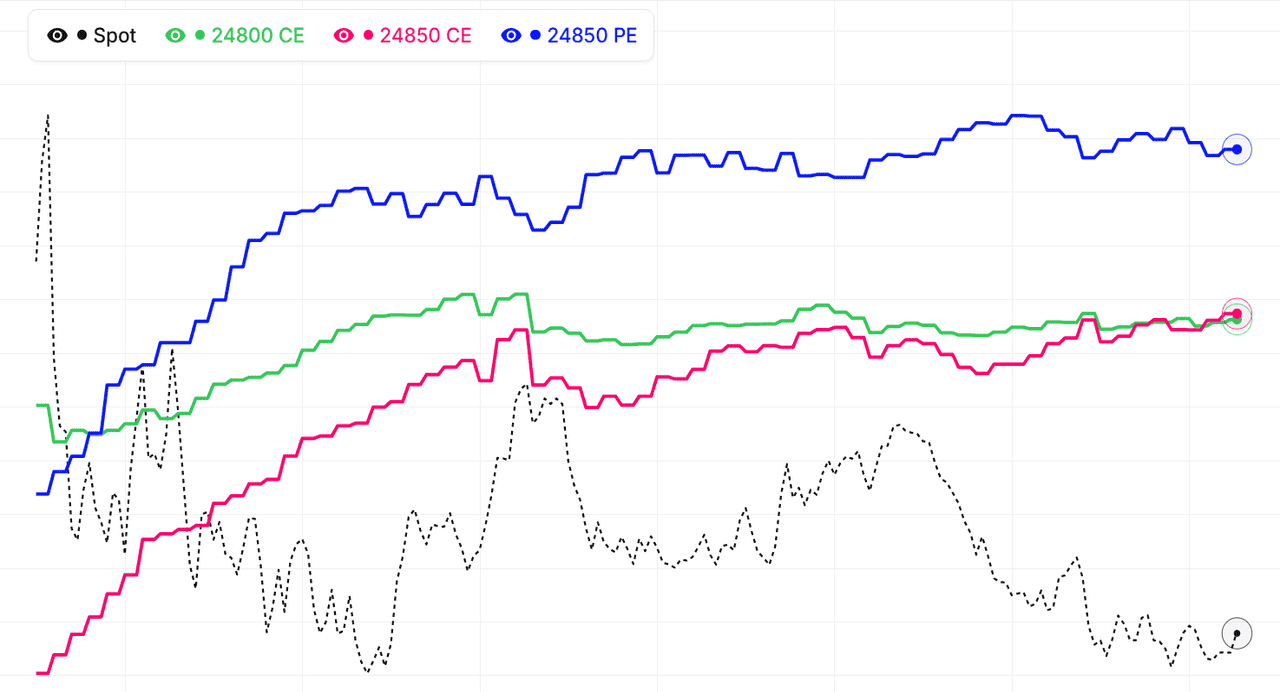
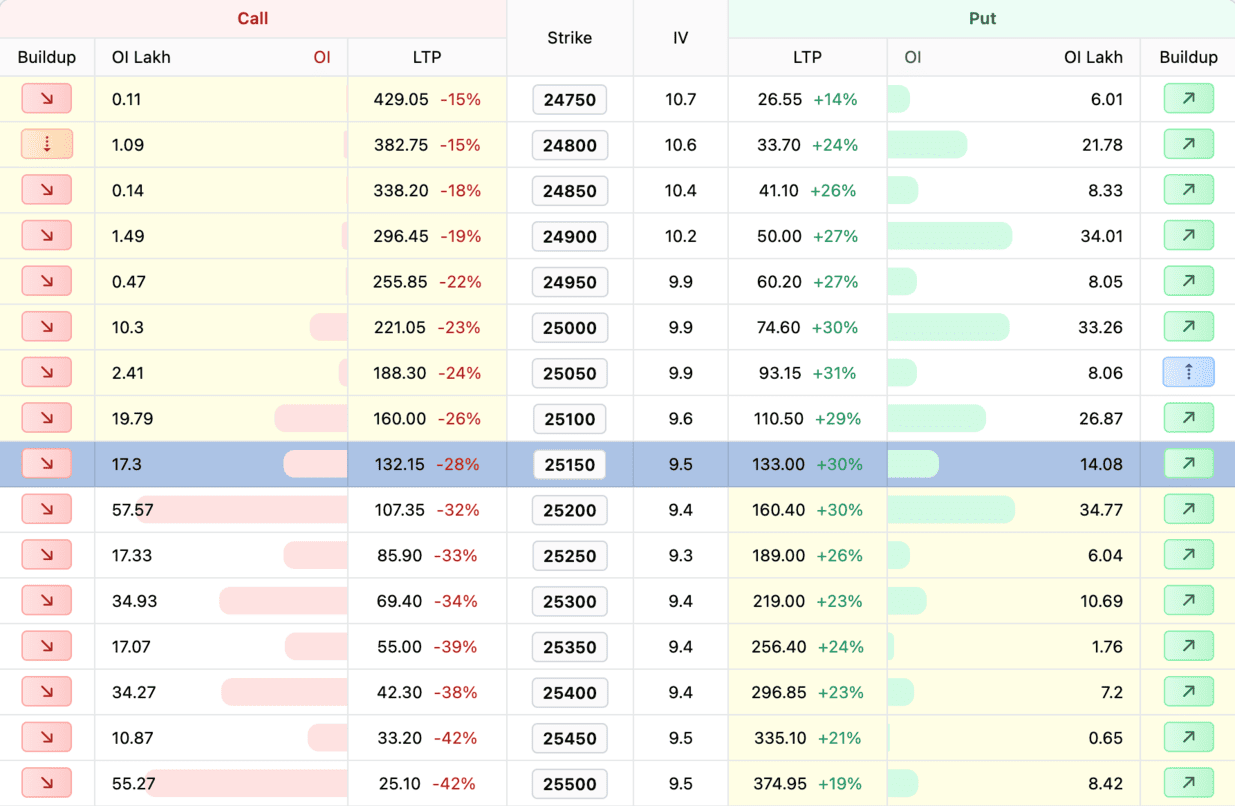
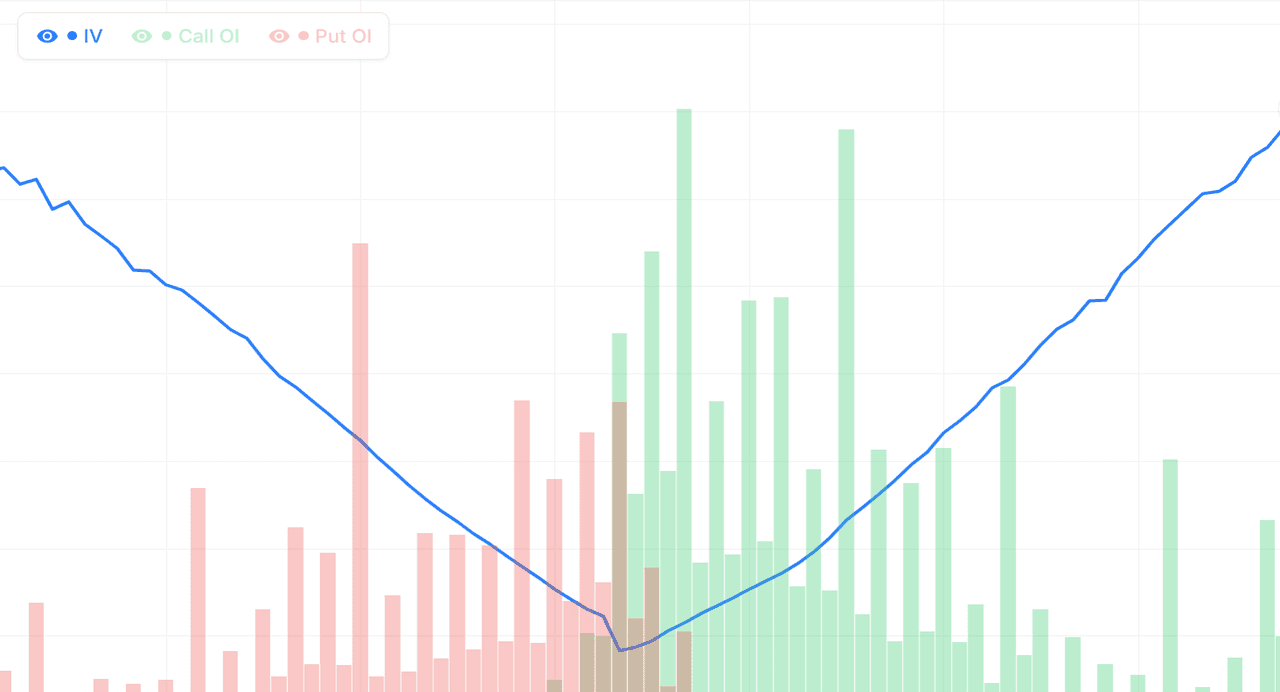
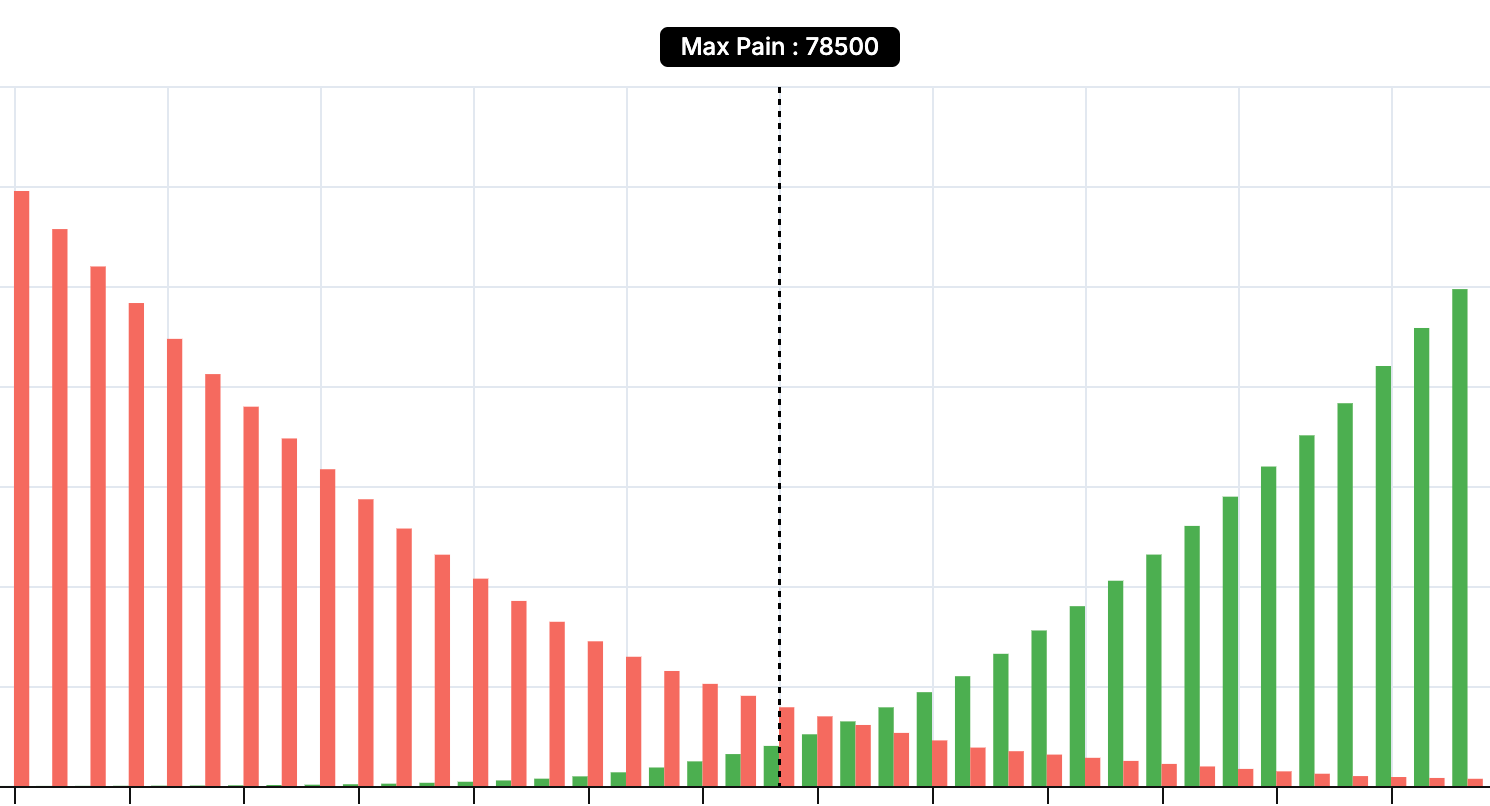
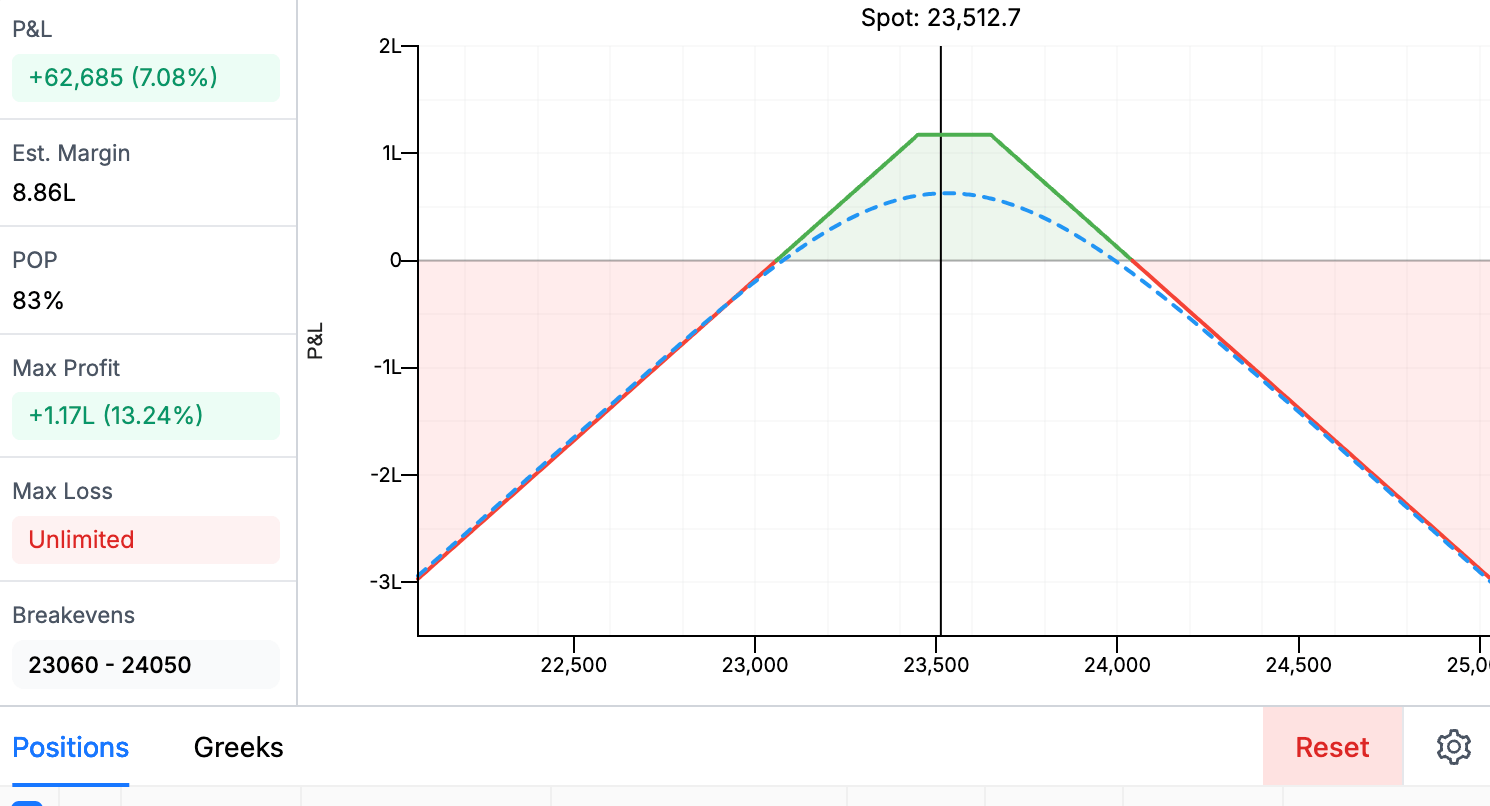
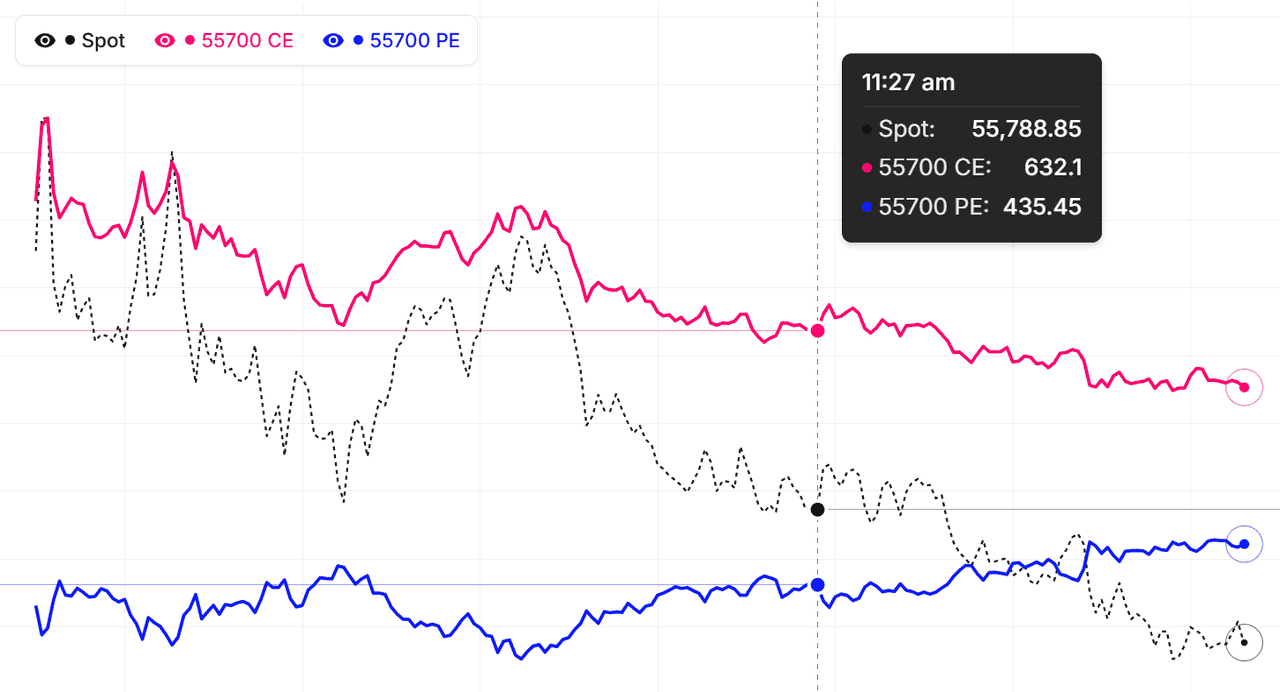
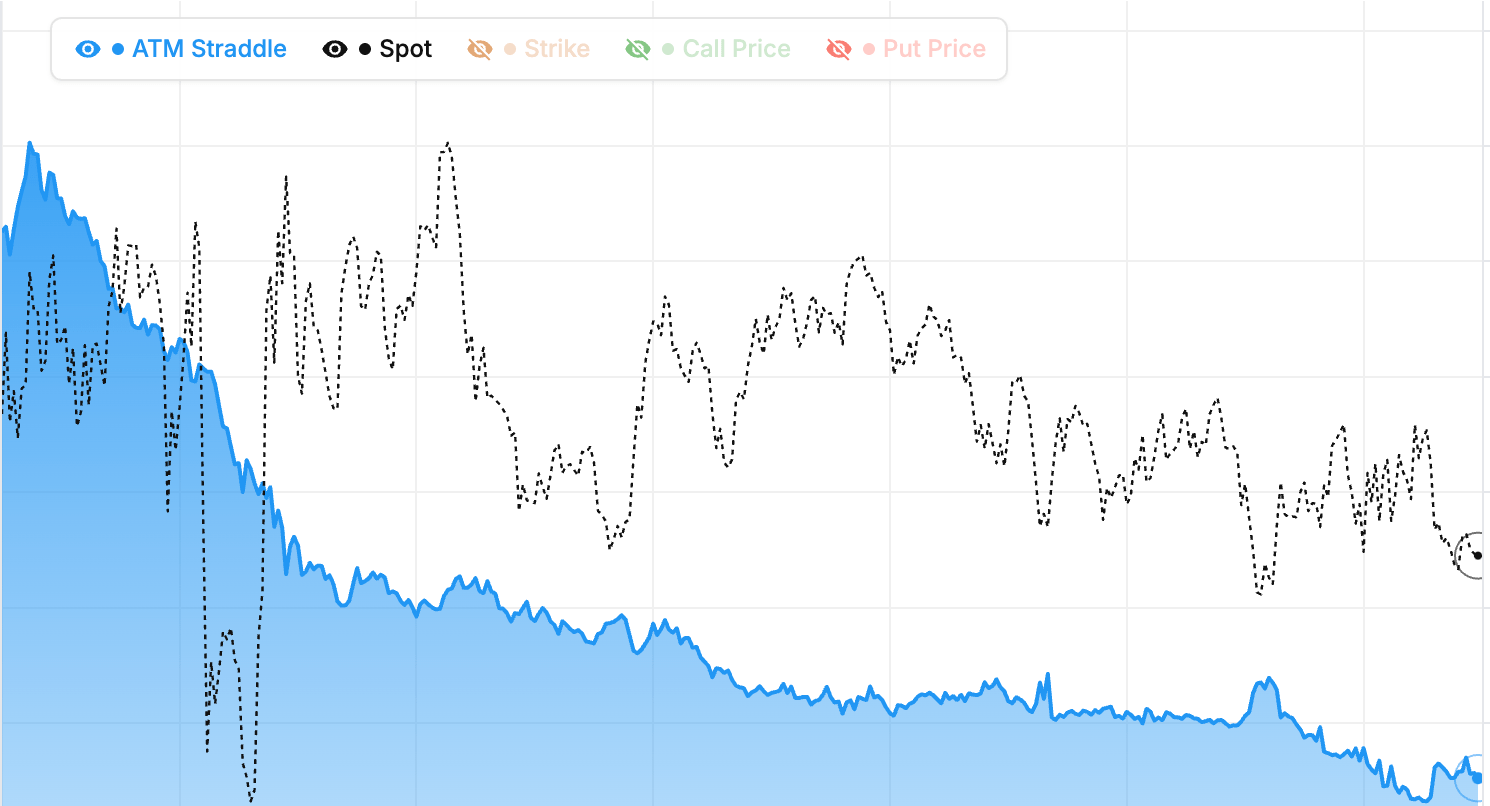
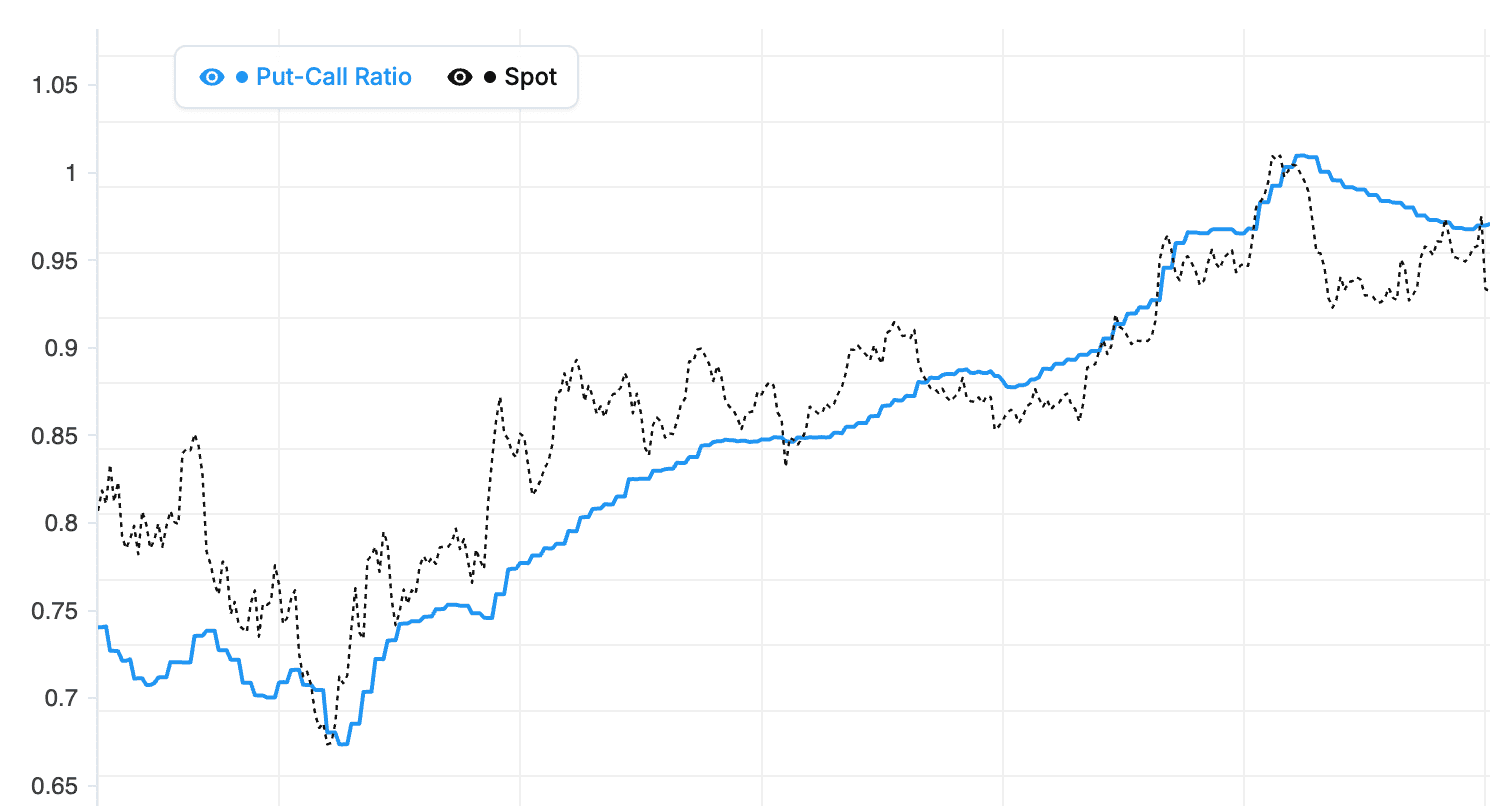
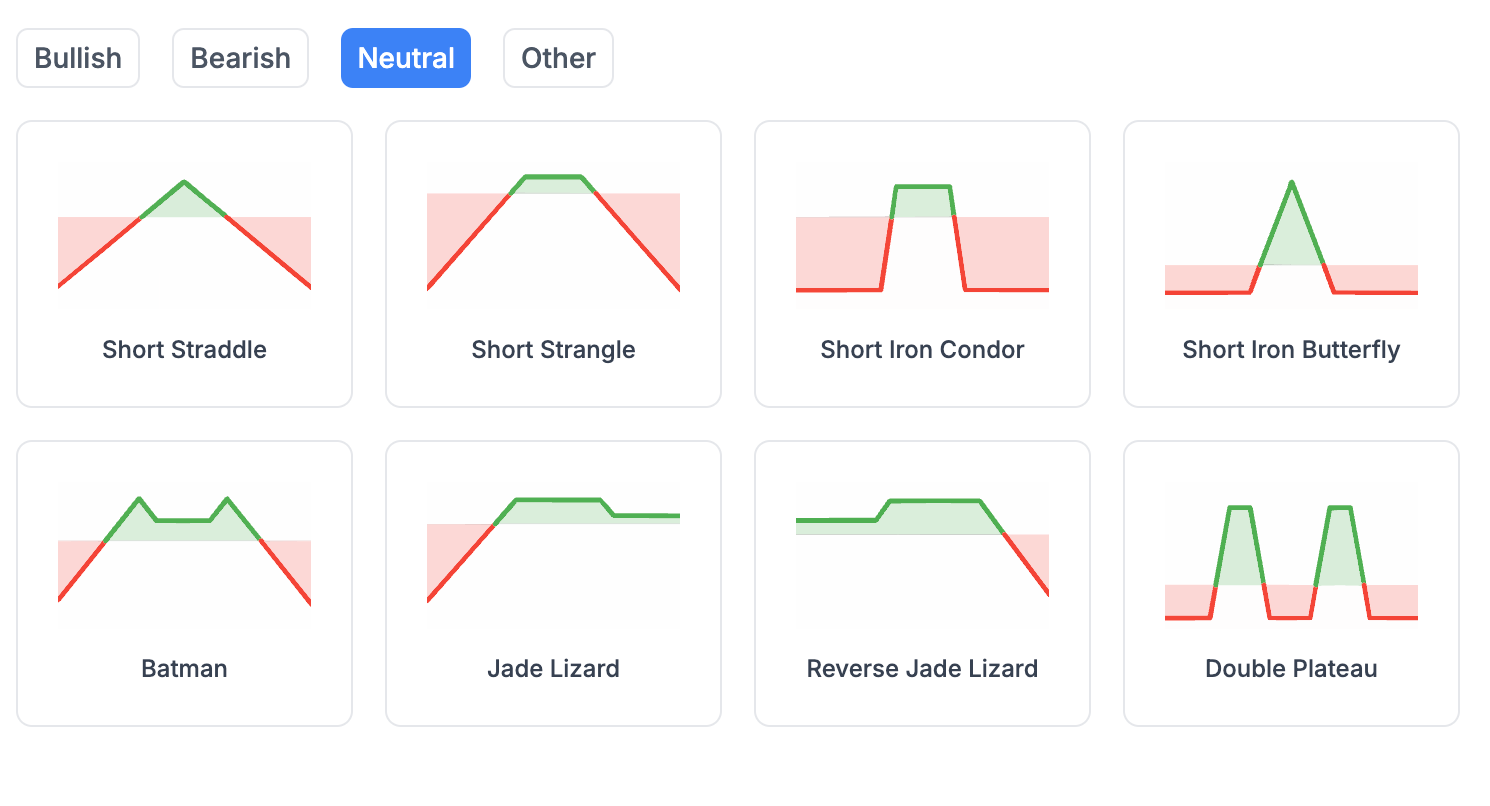
The most-used tools on the platform are the Nifty Option Chain, Max Pain Calculator, Open Interest Analysis, Put-Call Ratio, and Premium Decay Chart. For sentiment and volatility we have the ATM Straddle Chart, IV Chart, and Volatility Skew. For strategy building and backtesting, the Option Strategy Builder and Options Trading Simulator.
Market internals and flow
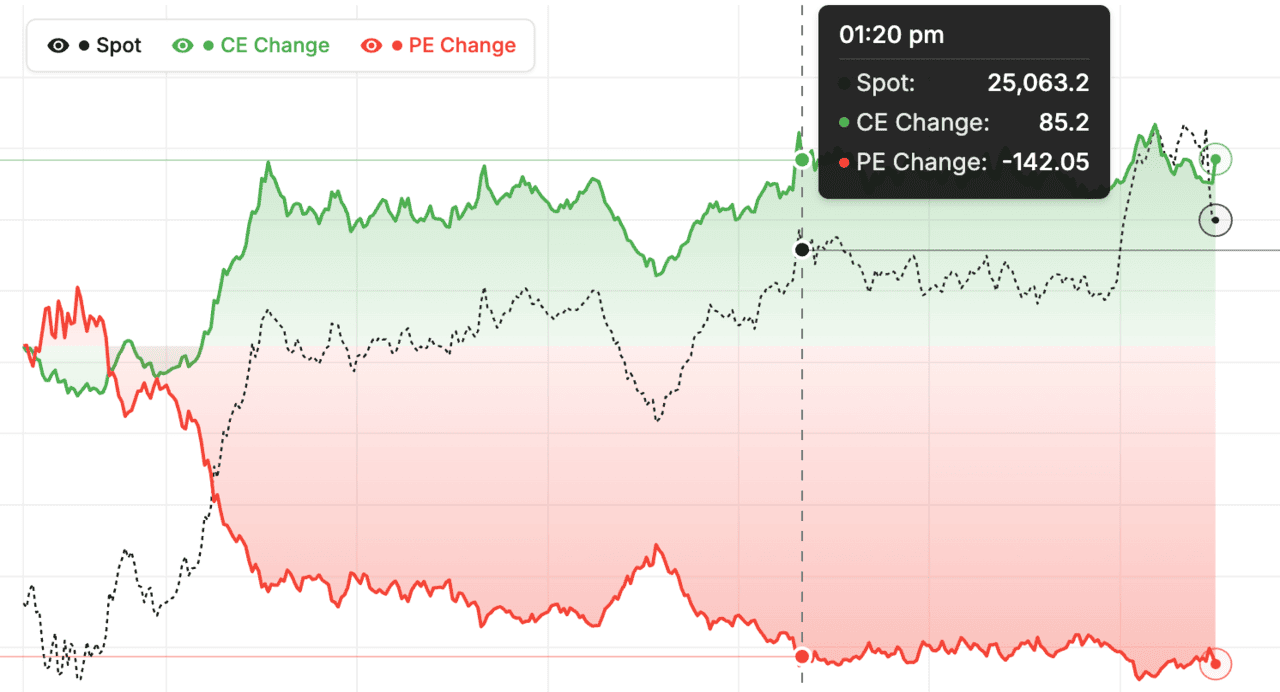
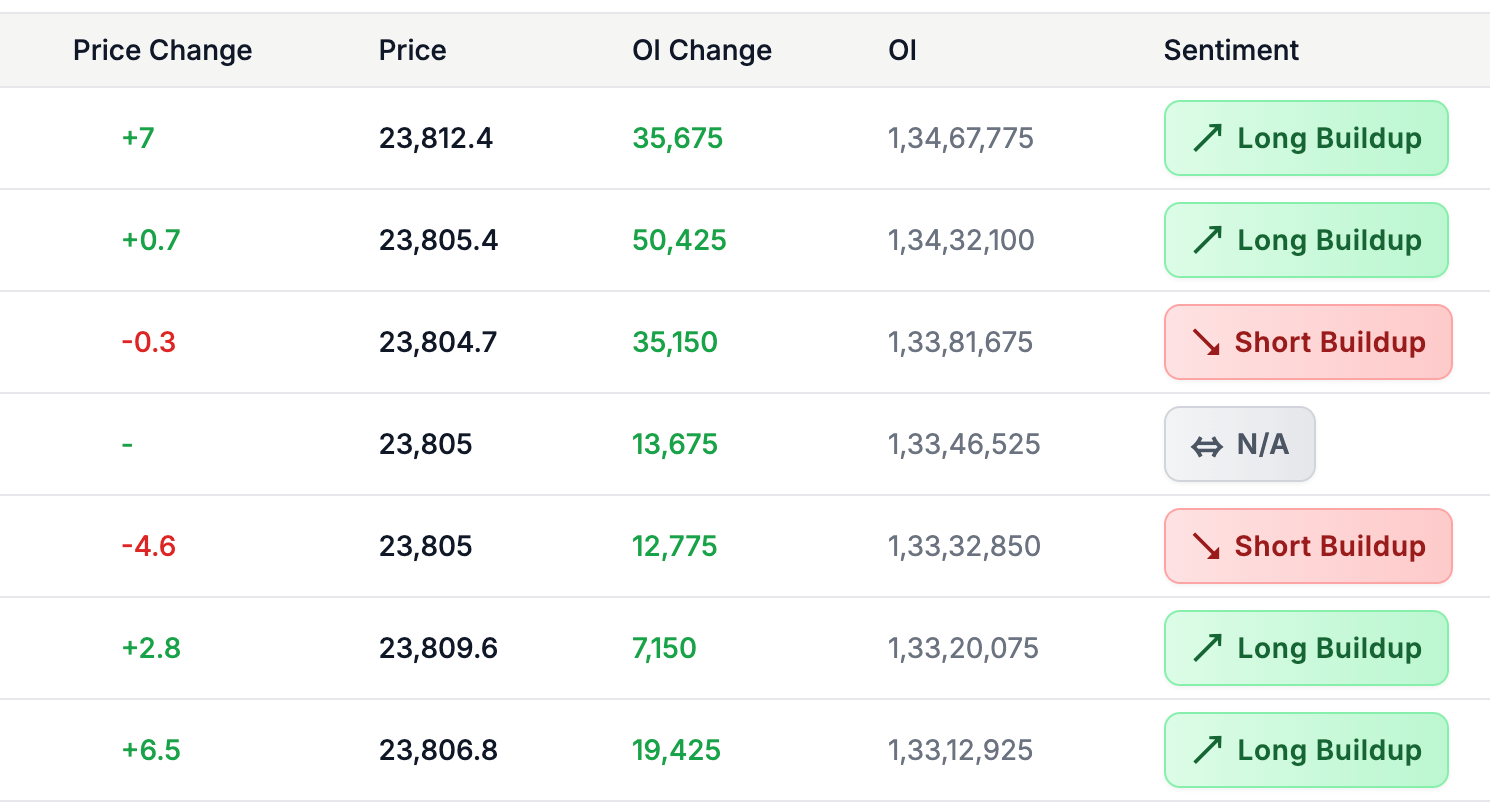
For market-internals research, the Advance Decline Ratio, Index Weightage, and Index Contributors tools decompose what's actually driving Nifty on any given session. For institutional flow, the FII DII Data Today, Intraday Booster, and Smart OI Detection surface where institutions are actually committing capital. For backtesting, the Historical Option Chart and Timeseries Option Chain replay any past trading session minute by minute.
Who it's for
Active retail option traders, scalpers, swing traders, and analysts working on Indian F&O. The platform is designed for the kind of decisions that have to be made fast during market hours, plus the kind of slower research that gets done on weekends.